As a longtime provider of analog and mixed-signal technologies, Renesas has helped open new markets from advanced automotive safety and industrial robotics to AI-enhanced consumer electronics and communications infrastructure. Where other analog technology vendors focus on a few specialty areas, Renesas has amassed a systems-oriented portfolio that combines analog, power, embedded processing, memory interface, connectivity, and programmable technologies into a cohesive selection of application-driven solutions. That breadth—and the ability to integrate deeply across real-world designs—has become a defining strength.
This vision has a new champion in Peter Jenkins, who was named VP and general manager of Renesas' Analog and Mixed-Signal product group earlier this year. Jenkins' own engineering journey mirrors the diversity of the business he now leads. Starting his career in timing technologies, he progressed through a series of acquisitions that ultimately landed him at Renesas, where he managed highly specialized, vertically integrated businesses before overseeing Renesas' expansive Standard Products division. That experience exposed Jenkins to highly specialized technology domains as well as the wider analog horizon where physical phenomena must be translated into the digital world of 1s and 0s.
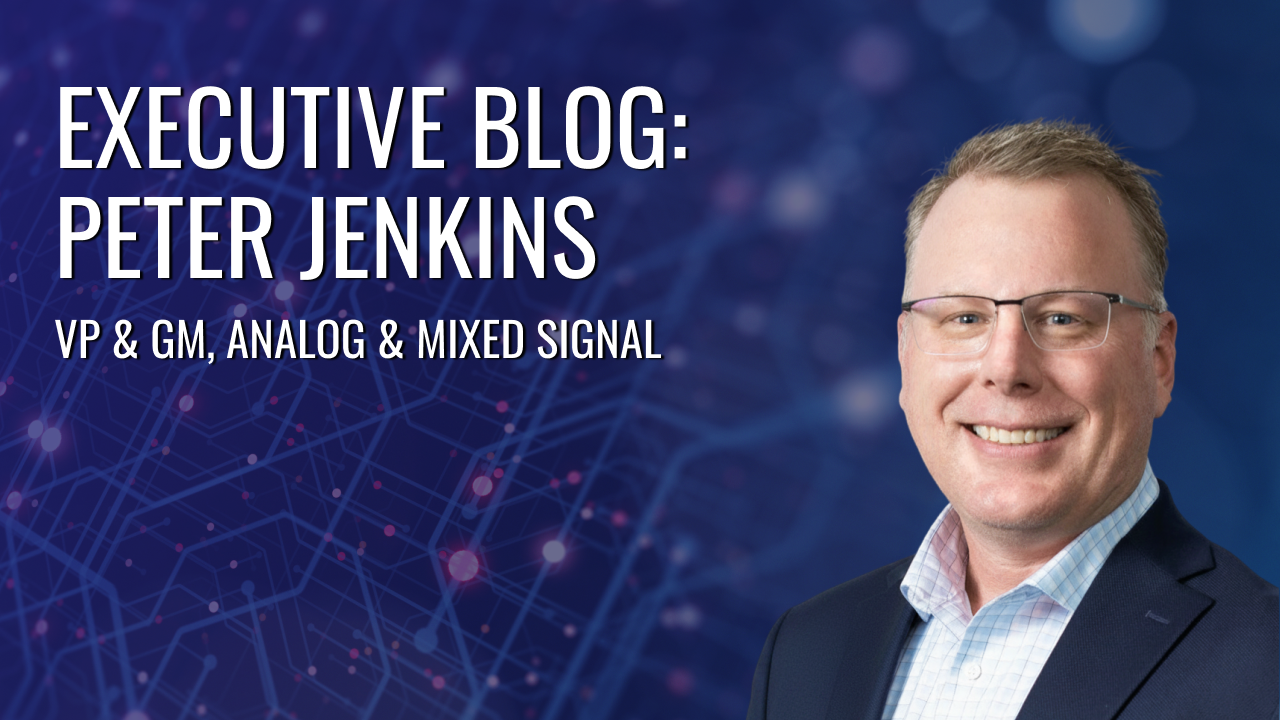
"We offer the foundational building blocks customers expect, but we also help them innovate on top of those solutions," Jenkins said in describing his new role. "That combination of breadth, configurability, and system-level thinking is what differentiates us."

Combining Strengths to Build New Customer Solutions
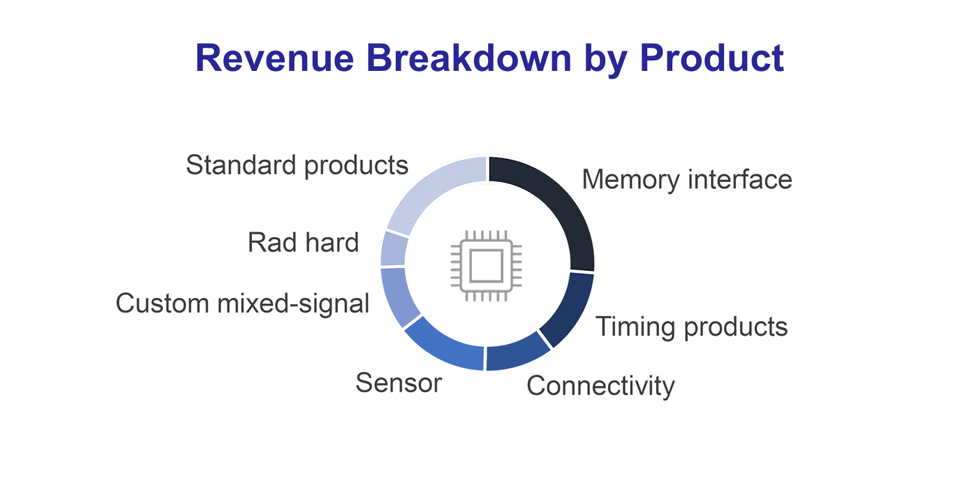
As Jenkins shared, Renesas' analog and mixed-signal business is a far cry from a component catalog; it's an assemblage of technology building blocks that can be combined to solve increasingly complex system-level challenges. The portfolio spans operational amplifiers, converters, switches and muxes, and isolation and includes configurable analog platforms, sensors, high-speed memory interfaces, and radiation-hardened products. The common thread is variety and integration. Rather than focusing only on component performance, Renesas' interoperable technologies address more of the customer system design.
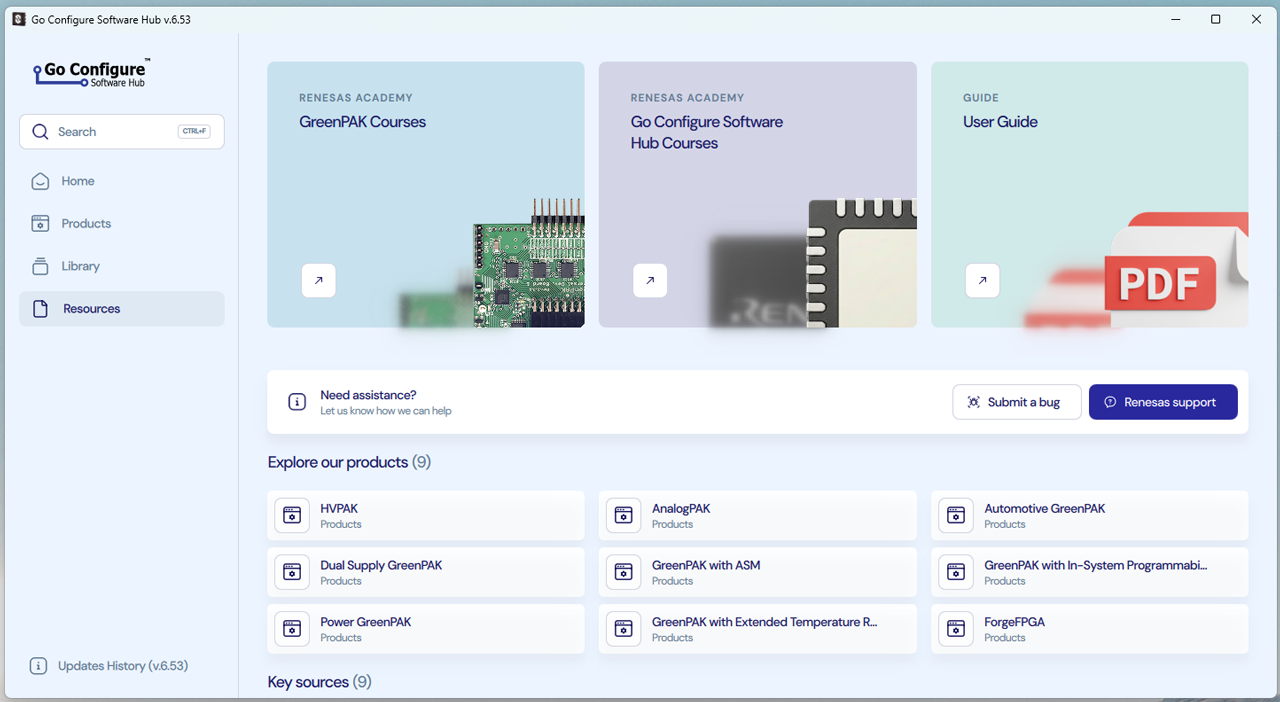
To cite just one example of that philosophy, Renesas combines traditional analog building blocks with configurable and programmable technologies that allow engineers to rethink how hardware systems are designed and manufactured. Product families such as GreenPAK™ and ForgeFPGA™ sit at the center of this strategy and help customers integrate and customize analog and mixed-signal functions into optimized solutions that reduce board space, lower component count, and accelerate time to market. Renesas supports these families through a unified design environment known as the Go Configure™ Software Hub, which Jenkins called "innovation central" thanks to its ability to configure, simulate, and program configurable hardware.
"Go Configure is where you go to innovate," he said. "It unlocks the hardware engineer's development mindset—not just to create custom solutions, but the solutions they've always needed."
Leveraging Analog Expertise Across Markets
The broader significance of configurable technologies becomes apparent in emerging AI applications. As edge and physical AI systems proliferate, designers need compact, power-efficient, and highly adaptive analog solutions that interact directly with the physical world. That includes sensing, signal conditioning, power sequencing, motor control, and real-time interfacing between AI compute systems and external environments.
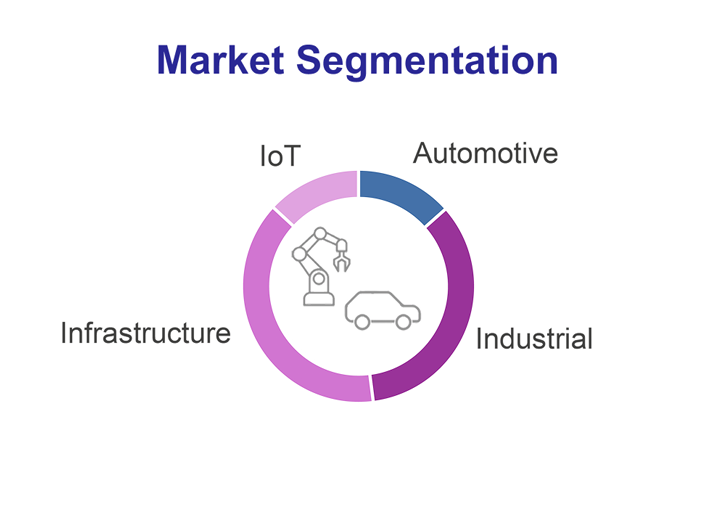
For Renesas, this creates opportunities across multiple served markets. Automotive remains foundational, particularly as software-defined vehicles evolve sensor-rich zonal architectures that translate real-world conditions into data for centralized processing. Industrial automation and robotics are similarly important, especially as humanoid robotics emerges as a major long-term growth vector. Jenkins sees strong parallels between automotive sensing systems and future humanoid platforms, both of which require extensive sensor networks and analog front-end technologies to connect the physical world to intelligent processing systems.
"Everything in automotive is eventually going to translate over to humanoids—the sensing networks, the intelligence, and the interaction with the real world," he said. "It will have a brain and complementary sensing networks to perform humanlike functions."
Consumer edge AI represents another opportunity where Renesas technologies already support applications spanning wearables, hearables, AR/VR platforms, and smart consumer devices that are finding their way into edge intelligence platforms.
Enabling the Next Wave of AI Data Center and Space Applications
Renesas continues to expand in AI infrastructure and data centers. Its memory interface business holds a leading position in RDIMM chipsets and works closely with DRAM suppliers and server manufacturers worldwide. The company also is exploring opportunities for high-speed analog interfaces and data fabrics that support AI-centric server architectures.
Another business that falls under Jenkins' purview is radiation hardened technology. The company has a broad rad hard offering of power, RF, ADC/DAC, and supporting infrastructure for space applications. Renesas is pursuing similar opportunities in the expanding market for low-Earth orbit technology, where satellite deployments require devices that bridge the gap between commercial-grade and fully rad hard components.
Differentiation Through Design Support
Because software tools and digital integration are becoming such important differentiators, Renesas plans to extend its "digitalization" strategy well beyond MCUs and software development environments into the analog and mixed-signal business.
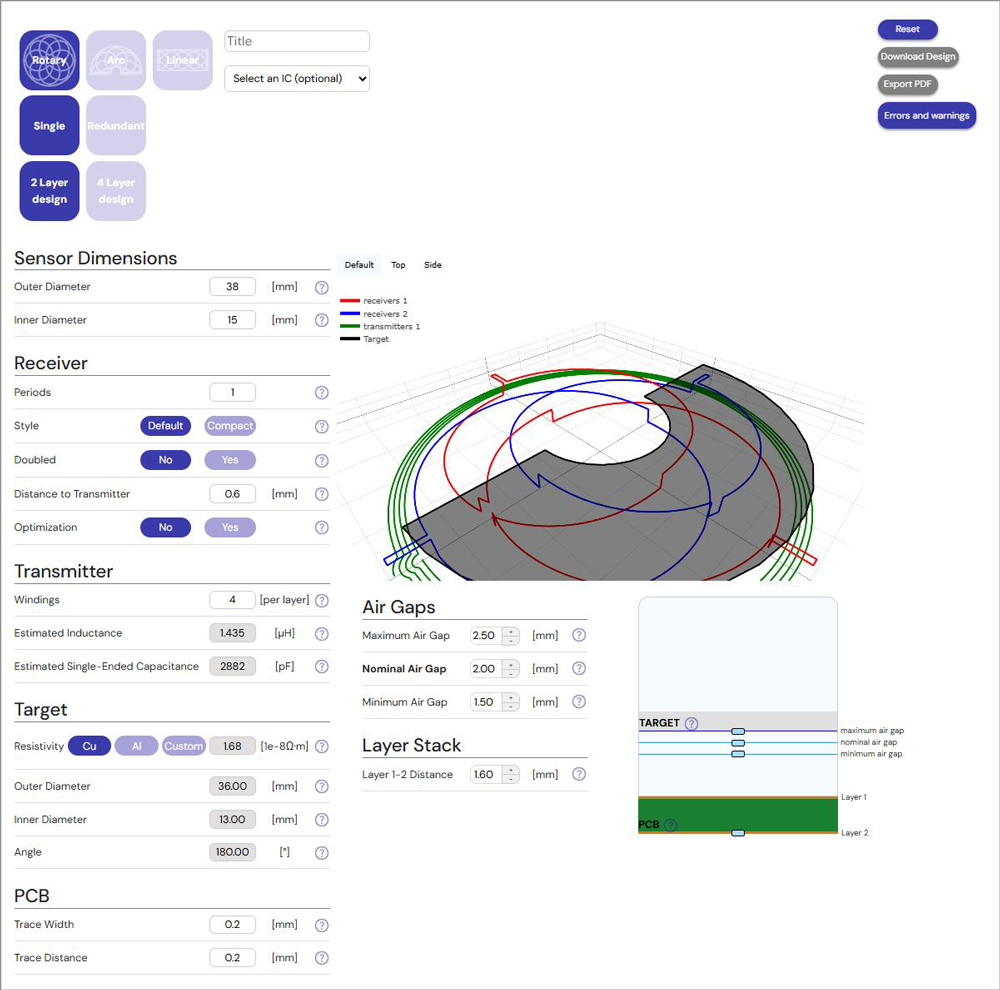
The recently updated Go Configure Software Hub provides a unified graphical environment for GreenPAK and ForgeFPGA devices, helping engineers rapidly prototype configurable analog functions. Meanwhile, Renesas' ICOT inductive sensor design tool allows customers to design and simulate custom inductive sensing layouts while connecting directly with Renesas application engineers for deeper optimization support.
"To take the Renesas digitalization strategy far and wide, analog is going to play a massive role," Jenkins said. "Go Configure and ICOT are great examples of how we are transforming analog from a component selection exercise into a platform for system-level innovation."
Indeed, these tools will become tightly integrated into future iterations of Renesas 365, the cloud-based electronics development platform where analog technologies are expected to play a major role in system-level optimization. Jenkins noted that analog products may eventually account for nearly half of the devices available within Renesas 365, reinforcing how central the analog and mixed-signal business is to the company's digitalization efforts.
Just as importantly, Renesas' new development tools are serving as a gateway into emerging design ecosystems. By reaching younger engineers through an organic discovery process, the company is teaching them how analog innovation enables advanced sensing architectures for robotics, industrial automation, and other AI applications.
Analog Integration Sets the Stage for a New Generation of Innovators
Renesas' investment in analog and mixed-signal technologies reflects more than portfolio breadth. It elevates analog as a central enabler of edge intelligence and physical AI, from automotive sensing to humanoid robotics and AI infrastructure. Because AI systems interact with the real world, the importance of analog technologies that sense, condition, power and connect those systems will only grow.
For Renesas, the larger opportunity lies in helping customers innovate. That value system aligns closely with the company's broader mission to "Make Our Lives Easier" by combining software, hardware, and intelligent system integration into technologies that power the next generation of connected experiences.
"Thanks to our versatility, we can go vertical and deep, or we can go horizontal and very wide," Jenkins said. "I'm trying to blend the best of both worlds. In doing so, I want to change the way hardware engineers think about innovation by showing them how our commitment to digitalization and design excellence brings them the biggest value."