
Overview
A photoelectric smoke detector consists of an IR photodiode (transmitter) and a phototransistor (receiver/detector) arranged inside a smoke chamber. Air flows through the chamber and may contain smoke particles from a nearby fire.
The smoke chamber is designed to prevent ambient light from entering and interfering with measurements. Because the transmitter and detector are positioned at an angle of approximately 120° to 150°, light from the transmitter does not directly reach the detector when the air is clean or contains only low levels of contaminants. However, when smoke, dust, or other particles are present in the chamber, the emitted light is scattered, causing some of it to reach the detector. This change in the detected light level can be used to trigger an audible alarm, such as a piezo horn or buzzer.
This smoke detector design combines the Renesas RAA239101 low-power analog front-end (AFE) IC with the RL78/G12 MCU and includes the peripherals and features required to implement a photoelectric smoke detector system.
Features
- Detects smoke at 10-second intervals
- Red LED indication of smoke detection
- Supports both AC and DC power sources
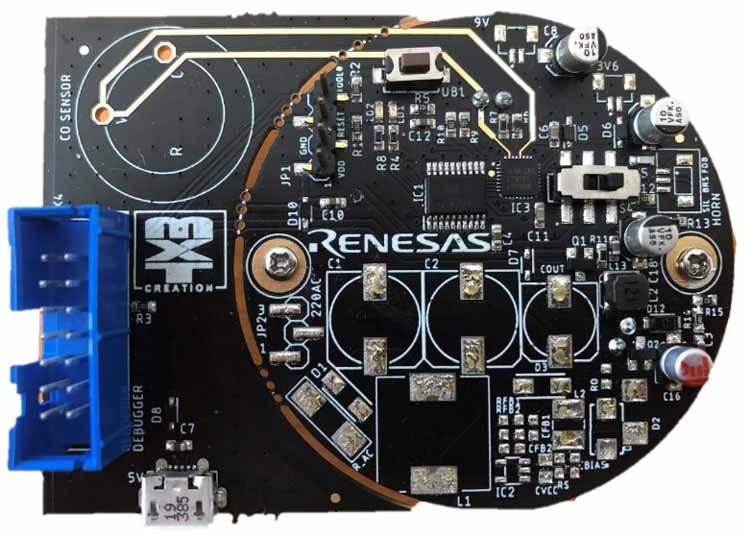
Products in the Design

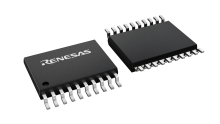
| RAA223012 | 700V AC/DC Regulator with Ultra-Low Standby Power and up to 2.5W Output Power |
Getting Started
Test this Board Remotely with Lab on the Cloud
Sample & Buy
EU070-SMOKEDETPOCZ
Active| HTS (US): | 8473.30.1180 |
| ECCN (US): | EAR99 |
Application Block Diagrams
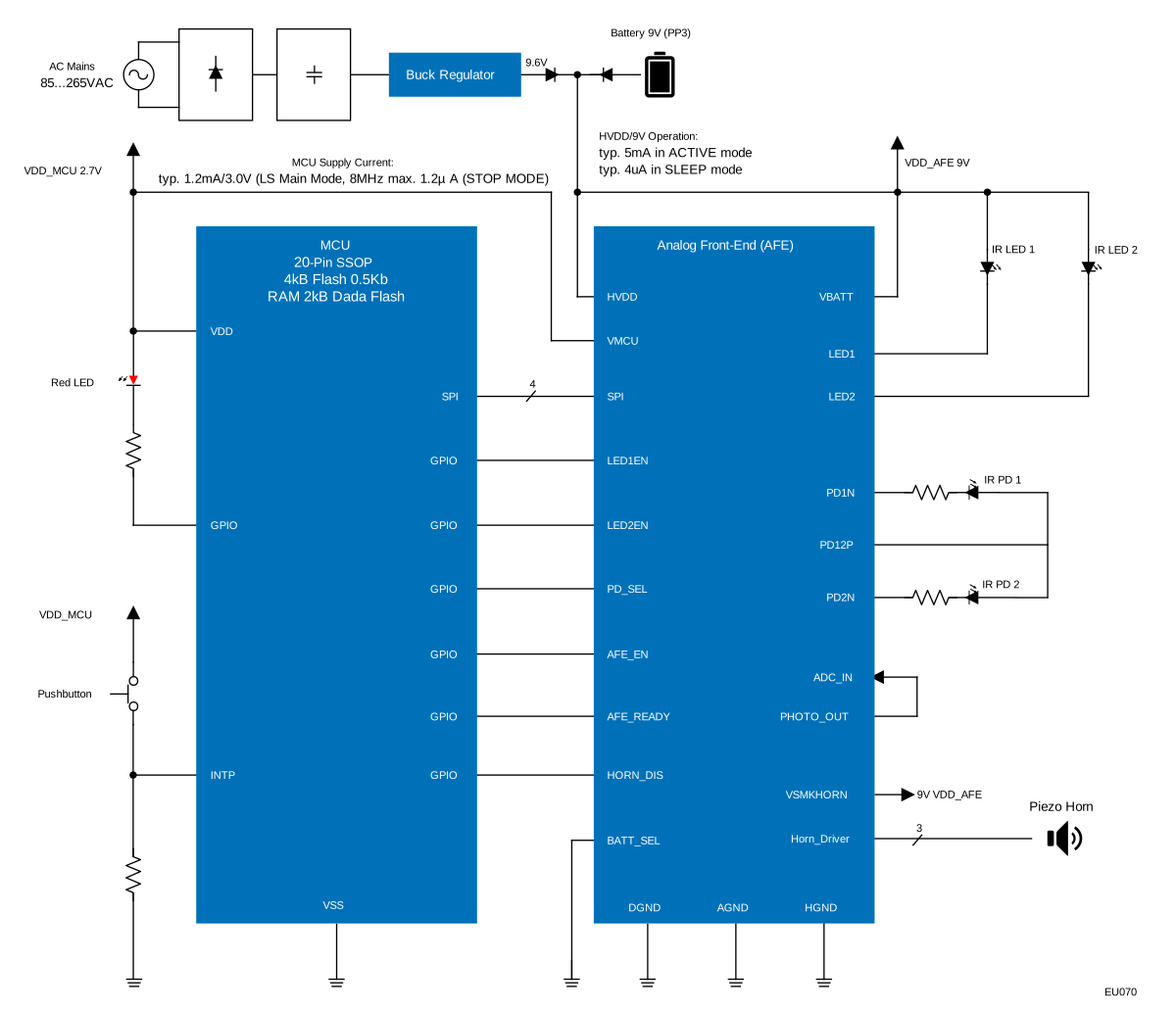 | Household Smoke Detector Ultra-low power smoke detector with integrated AFE for flexible, cost-effective fire safety. |
Videos & Training
Demonstration of Renesas’ Lab on the Cloud virtual environment for the Household Smoke Detector Solution.
Support

Support Communities

