Over the past year, Renesas has continued efforts to implement environmental and sustainability best practices that optimize the use of raw materials and other resources across our entire manufacturing supply chain. This includes water conservation, recycling and reuse measures, initiatives to lower greenhouse gas emissions, and the expansion of renewable energy options to support our goal of achieving carbon neutrality by 2040.
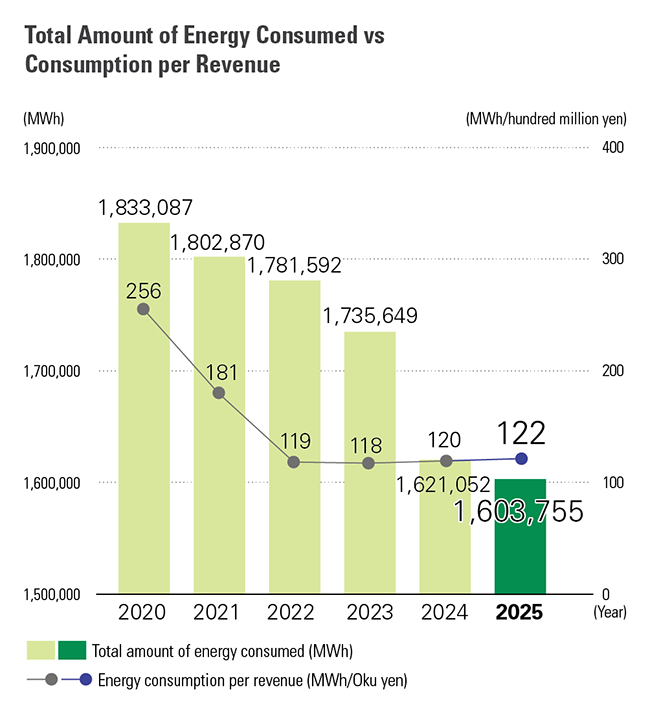
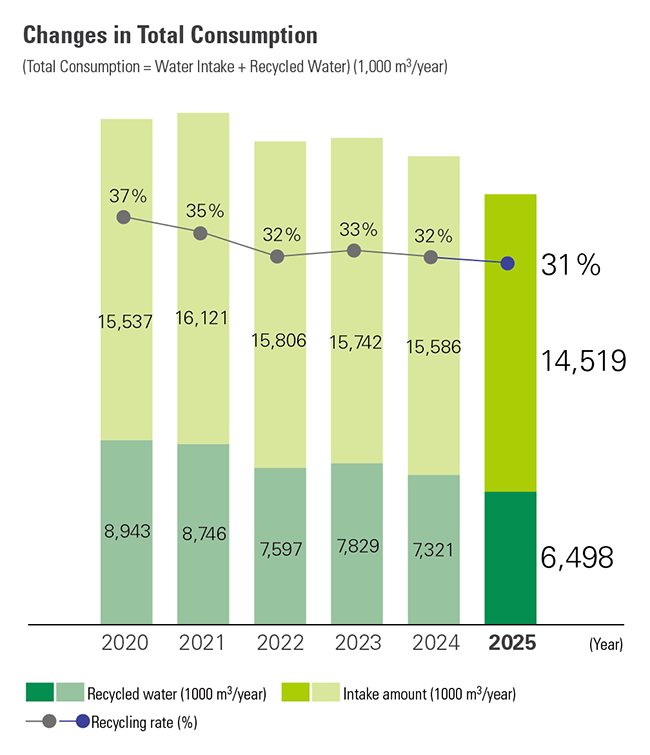
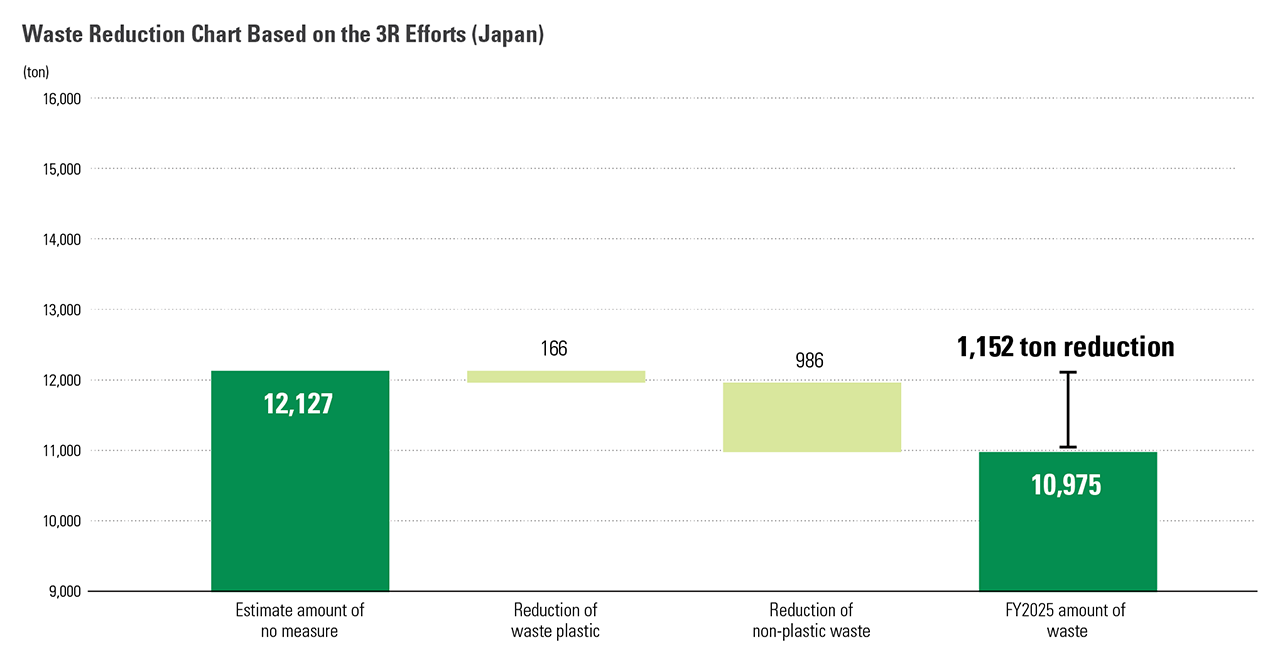
As detailed in our 2025 Business & Sustainability Report, total year-over-year energy consumption fell by 1.1 percent. Water use dropped by approximately eight percent, and we achieved a better than 90 percent global waste recycling rate. From a compliance perspective, 92 percent of all Renesas suppliers pledged to adhere to our Supplier Code of Conduct (SCoC), and we strengthened alignment between policy oversight and on-site execution by establishing a Sustainability Unit (SU) tasked with providing regular reports to our Audit & Sustainability Committee (ASC).
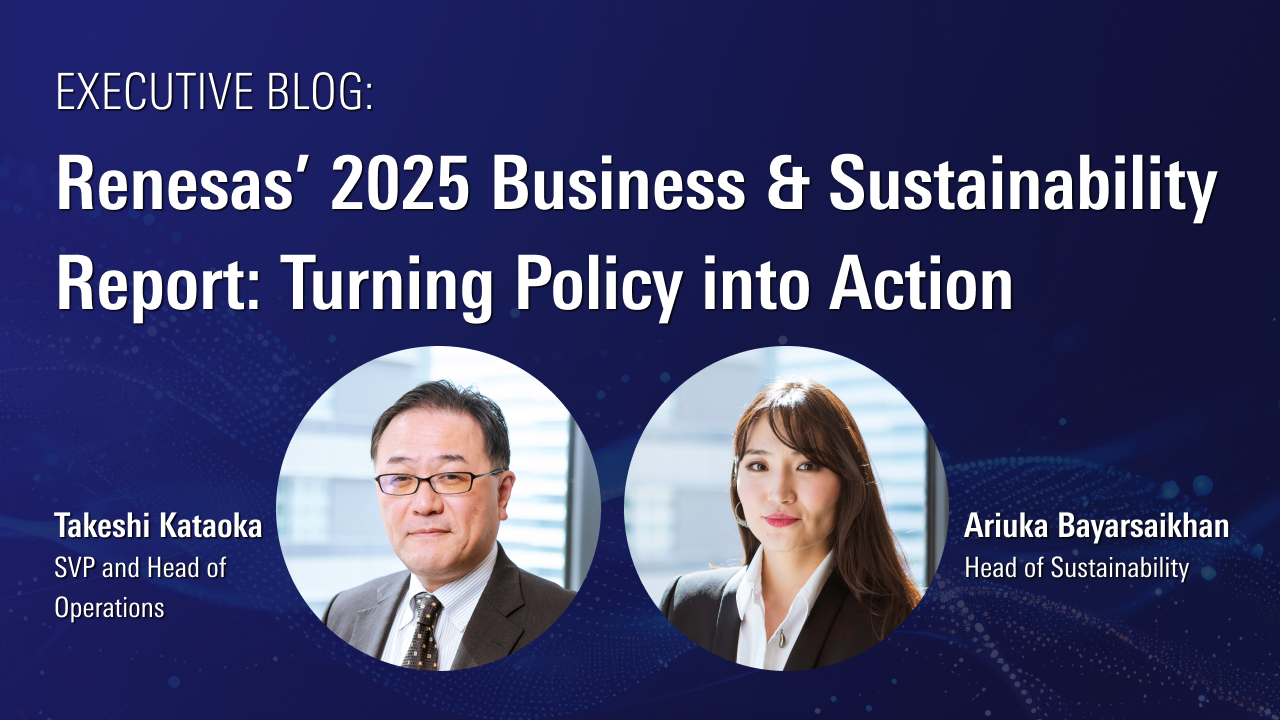
In releasing the 2025 report, we asked two of our senior executives responsible for environmental and sustainability policy execution to share highlights of the past year's achievements. What follows is an excerpt from an interview with Takeshi Kataoka, Renesas' Senior Vice President and Head of Operations, and Ariuka Bayarsaikhan, Senior Director and Head of Sustainability.
2025 marked another year of milestones for Renesas in terms of meeting our climate and resource goals. Kataoka-san and Ariuka, what stood out for you in terms of the progress we've made?
Kataoka: In looking at the big picture, we believe that by reducing waste, emissions, and mitigating climate risks, we are providing an environment in which products can be used safely, and our employees can work with confidence and determination. Through these efforts, we are giving concrete form to our stated purpose, which is “To Make Our Lives Easier.”
Bayarsaikhan: Yes, and against that backdrop, we were able to evolve our sustainability initiatives from a phase centered on policy formulation to one focused on implementation and management. Given rising geopolitical risks, changing regulatory trends, and demands from customers and investors, sustainability has become a prerequisite for business operations. As a result, Renesas has begun actively addressing implementation and management at both the executive and operational levels.
How did that commitment across management functions result in measurable outcomes?
Kataoka: As the executive responsible for implementation, I ensure execution quality at our sites and suppliers by translating company-wide agreements made through the Sustainability Operating Team (SOT) into concrete operational actions. Under this framework, FY2025 results included a 75.8 percent reduction in Scope 1+2 t CO₂ emissions and a 62.4 percent drop in Scope 3 emissions compared to FY2021, driven primarily by renewable energy adoption and operational efficiency improvements.
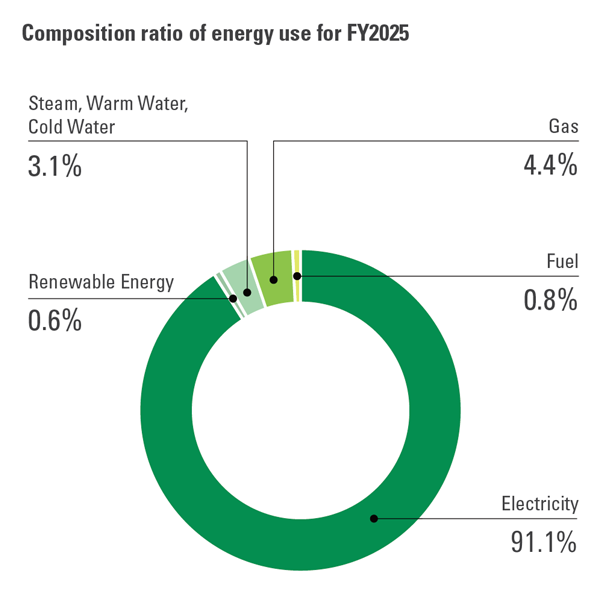
Additionally, by reducing Scope 1 PFC emissions, we have continued to evaluate switching to more environmentally friendly gases, optimizing processes, and introducing or upgrading abatement systems. For Scope 2, where electricity accounts for over 80 percent of emissions, we continued investing in energy efficiency measures such as compressor, boiler, and dry-pump upgrades.
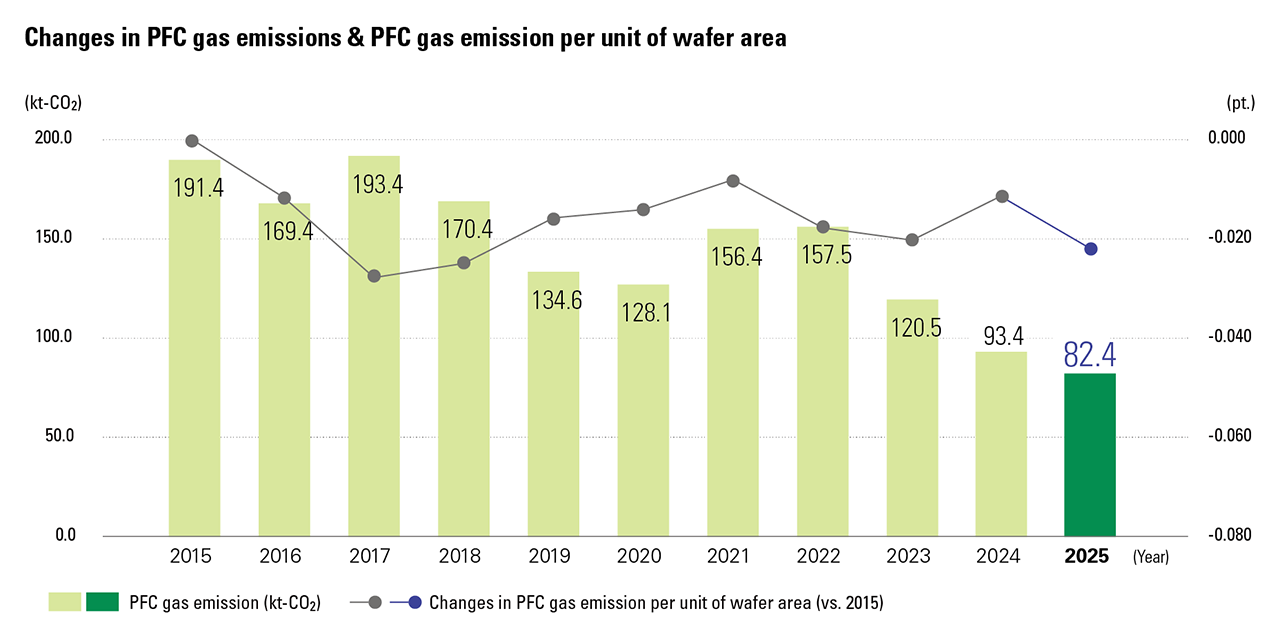
Bayarsaikhan: We are working to reduce greenhouse gas emissions in line with our goal of achieving carbon neutrality by 2040. At our manufacturing sites, we have been implementing initiatives such as the introduction of energy-efficient equipment and process improvements according to plan. Rather than treating numerical targets as ends in themselves, we focus on making sustainable progress, while carefully assessing impacts on production lines and quality. As a result, I believe our most important accomplishment in FY2025 was achieving a state where we can assess the current situation quickly and consider what actions to take next.
Kataoka-san, how did Renesas advance decarbonization and regulatory compliance across the supply chain, and how are renewable energy sources helping achieve GHG reduction targets?
Kataoka: When it comes to decarbonization and materials, we've embedded adherence to PRTR, VOC, RoHS, and REACH environmental protocols into our design, procurement, and change management processes to enable regulatory compliance without compromising quality. In the area of responsible mineral sourcing, we disclosed 100 percent of our 3TG (tin, tantalum, tungsten, and gold) survey under the Responsible Minerals Initiative (RMI) guidelines for advanced traceability. That data is verified by a third-party certification body, which in our case is the Japan Quality Assurance Organization, or JQA.
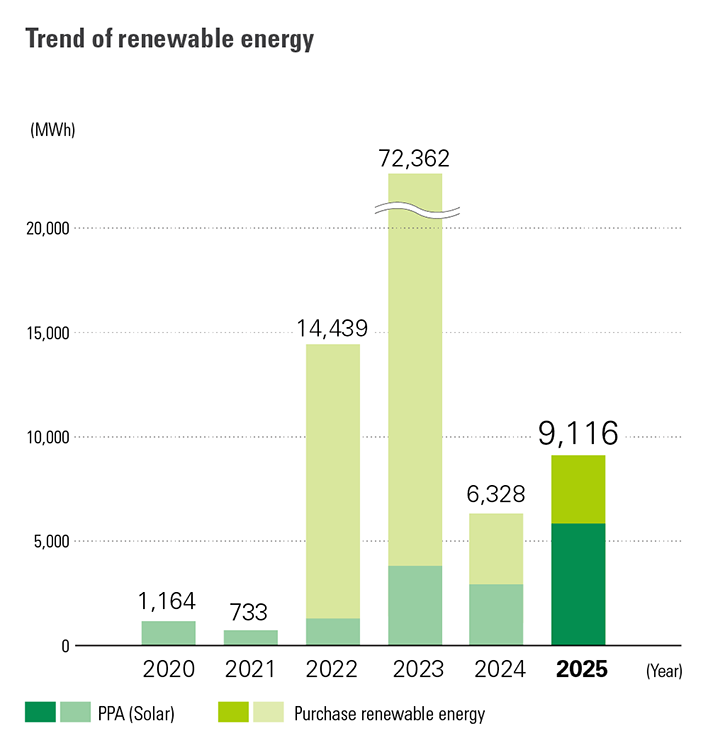
Our long-term target is to reduce GHG emissions by 38 percent compared to FY2021. To achieve this, Renesas is expanding the use of renewable energy, mainly at production sites in Japan, China, and Malaysia. In Japan, green electricity purchases began in FY2022, and in China and Malaysia, we started solar power generation through power purchase agreements in late FY2022.
This one is for you, Ariuka: When it comes to environmental and sustainability practices, how are the expectations of stakeholders–investors, customers, and employees–changing?
Bayarsaikhan: Expectations related to sustainability, including evaluations and regulatory compliance, are clearly rising. As such, we're seeing that investors and customers aren't just asking if we have initiatives; they're looking for evidence that our policies are effective, evolving, and backed up by reliable data. Internally, it is also important that sustainability is understood as something linked to each employee's role and daily decision-making. We believe that aligning expectations through ongoing dialogue with stakeholders ultimately leads to long-term trust.
Looking toward 2030 and beyond, what do you consider most important in sustainability?
Kataoka: If we look at three major areas– manufacturing, the supply chain, and regulatory compliance–we see a clear path forward. At our manufacturing sites, we will continue advancing process optimization, evaluating PFC abatement upgrades, and promoting energy efficiency and renewable energy flexibly.
Across the supply chain, we will continue collecting upstream data to achieve Scope 3 reduction targets. For chemical material management, we are empowering design and procurement to establish processes that ensure regulatory compliance, quality, and supply stability while reducing climate impact.
And on the regulatory and disclosure front, we will strengthen data controls and evidence management to prepare for requirements such as those laid out by the Sustainability Standards Board of Japan.
Bayarsaikhan: Integrating sustainability strategy with business strategy remains our most important theme. Rather than positioning sustainability as a special activity, our goal is to incorporate it as a natural extension of daily decision-making and business execution. To this end, we are improving evaluation metrics, management processes, and cross-functional collaboration.
Our guiding principle in this effort is our purpose: “To Make Our Lives Easier.” Guided by our principles, we will continue executing each initiative consistently.