センサの小型化と増大する制約
医療機器、ウェアラブルデバイス、産業用システムに搭載されるスマートでネットワーク接続されたIoTセンサには、高性能かつ低消費電力での動作が求められており、それらをますます小型化するフォームファクタ内で実現する必要があります。 設計者にとって、制約となるのはもはやプリント基板(PCB)の面積だけではなく、パッケージ高さ、システム全体の重量、および機械的エンベロープも同様に重要な要素となっています。 センサ機能の拡大に伴い、従来のマイクロコントローラ(MCU)パッケージング技術がボトルネックとなる可能性があります。 シリコンダイ自体が小型であっても、パッケージが実装面積の大部分を占めることが多く、その結果、小型化および薄型化の目標達成が困難になります。 そのためエンジニアには、電気特性、熱特性、および製造信頼性を損なうことなく、パッケージ寸法を削減できるパッケージングソリューションが求められています。
従来のMCUパッケージが限界となる理由
薄型クワッドフラットパッケージ(LQFP)、クワッドフラットノーリード(QFN)、ボールグリッドアレイ(BGA)などの従来型MCUパッケージは、実績があり、堅牢で実装性にも優れることから、広く使用されています。 しかし、これらのパッケージはシリコンダイと比較してサイズおよび厚みに大きなオーバーヘッドを生じさせます。 スペース制約の厳しいセンサ設計では、この追加パッケージ部分がさらなる小型化を困難にします。 PCB面積の1平方ミリメートル単位まで重要となる設計では、パッケージサイズをシリコンダイに近づける新たなパッケージング手法が求められます。
ウェハレベル・チップスケール・パッケージ(WLCSP)ソリューション
チップスケール・パッケージ(CSP)は、これらの課題を解決します。 ルネサスは、ウェハレベル・チップスケール・パッケージ(WLCSP)と呼ばれるCSPの一方式を採用しています。この方式では、ダイシング後ではなく、ウェハレベルで直接パッケージングを行います。 このアプローチにより、最終的なパッケージサイズは通常ダイサイズの1.2倍未満となり、超薄型化と追加材料の最小化を実現できます。
WLCSPデバイスでは、MCUダイは再配線層(RDL:Redistribution Layer)に接続されます。RDLは、インターポーザと呼ばれることもあります。 RDLは、ダイ上のパッドを、表面実装に適したはんだボール配列へと再配線します。 その後、鉛フリーはんだボールが形成され、BGAと同様の標準的な実装プロセスで基板実装できるようになります。 WLCSPの内部構造については、以下の図を参照してください。
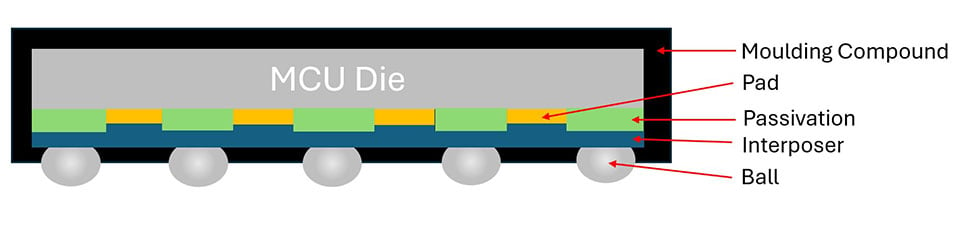
ダイは通常、全体の厚みを低減するために薄型化され、機械的保護、紫外線遮蔽、および標準的なピック&プレース装置との互換性を確保するために保護パッシベーション層が形成されます。
WLCSPがセンサ設計の主要課題をどのように解決するか
WLCSPは、パッケージオーバーヘッドを最小限に抑えることで、小型センサや組み込み機器向け設計にさまざまな利点をもたらします。
- 最小限のフットプリントと超薄型設計により、スペースや高さに制約のある用途に最適
- パッケージ材料の削減により軽量化を実現
- 極めて小さなフットプリントで高いI/O密度を実現
- 配線距離の短縮により、寄生インダクタンスおよび抵抗を低減し、電気的性能を改善
- 熱抵抗の低減により、デバイスからソルダーボールを介してPCBへ効率的に放熱可能
- ベアダイと比較して取り扱いおよびテストが容易でありながら、ダイサイズに近い寸法を維持
| パッケージ | LQFP | BGA | WLCSP |
|---|---|---|---|
| サイズ | Large | Medium | Small |
| ピッチ | Medium | Medium - Small | Small |
| 電気的特性 | OK | Good | Excellent |
| 熱特性 | OK | Good | Excellent |
| コスト | Low | High | Medium |
設計および製造上の留意点
WLCSPは多くの利点を提供する一方で、新たな設計上の留意点も生じます。 一般的に0.5mm以下となる超ファインピッチは、従来の多くのパッケージよりも厳格なPCBレイアウトルールを要求します。 配線幅、配線間隔、ビア構造、およびPCB材料の選定はすべて慎重に検討する必要があります。 また、実装プロセスもファインピッチ実装および検査に対応している必要があります。 初期段階からの計画と、PCBおよび製造パートナーとの密接な連携により、これらの課題を効果的に管理し、WLCSP技術の利点を最大限に活用できるようになります。
RA4L1低消費電力MCUでWLCSPパッケージが利用可能
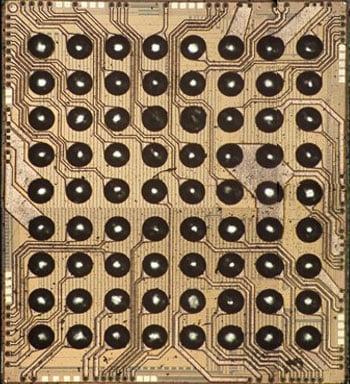
WLCSPの実例として、Arm® Cortex®-M33を搭載し、低消費電力の組み込み機器およびセンサ用途向けに設計された低消費電力MCU RA4L1があります。 RA4L1は、わずか3.64mm × 4.28mm、厚さ0.5mmのコンパクトな72ボールWLCSPパッケージで提供されており、極めてスペース制約の厳しい設計に適しています。 RA4L1は、80MHz CPU、512KBのデュアルバンク・フラッシュメモリに加え、オンチップSPI、I²C、I3Cインタフェース、低消費電力アナログ機能、複数の低消費電力UART、およびUSBフルスピードインタフェースなど、センサシステム向けに最適化された豊富な周辺機能を備えています。 RA4L1は、低消費電力、高性能、そしてダイサイズに近いWLCSPパッケージを兼ね備えており、PCB面積やパッケージ高さが重要な制約となるアプリケーションにおいて、高度なセンシング機能および接続機能を実現します。
WLCSPを選択すべきケース
WLCSP技術は、センサ設計においてサイズ、重量、および高さに対する厳しい制約が課される場合に最適な選択肢となります。 ダイサイズに近いパッケージング、優れた電気特性および熱特性、ならびに標準的な表面実装プロセスとの互換性により、WLCSPは新たなクラスの小型かつ高集積なセンサシステムを実現します。 RA4L1のようなWLCSPオプションを備えたMCUを活用することで、設計者はウェアラブル、ヒアラブル、光学モジュール、スマートセンサ、オーディオ製品、およびデジタルイメージングシステムにおいて、高性能かつ信頼性の高いソリューションを構築できます。